AI's Energy Footprint in 2026: The Real Numbers and What's Being Done
Hard 2026 numbers on AI energy use, what's improving, what's concerning, and what builders should do about it.
Introduction
AI's energy use was a punchline in 2023 and a crisis headline in 2024. In 2026, with hard data and serious engineering, the picture is more nuanced — and more hopeful.

The 2026 Numbers
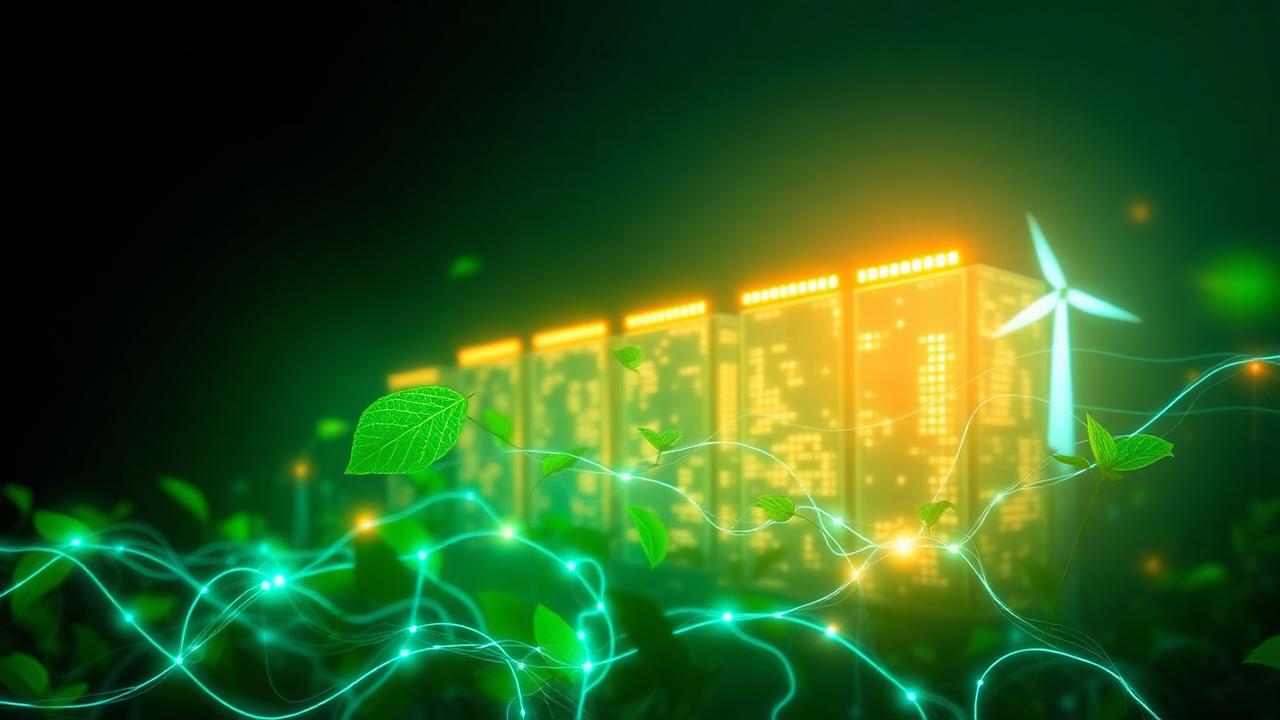
AI training and inference now account for roughly 3–5% of global data-center electricity use, with frontier inference dominating training. Growth is real but slower than the worst-case 2024 projections.
What's Improving
- Model distillation cut inference energy 5–10x for many workloads.
- Custom silicon (TPU v6, NVIDIA Rubin, Trainium 3) doubled efficiency.
- Liquid cooling and hyperscale efficiencies kept PUE near 1.1.
What's Concerning
- New gas-peaker plants approved to serve AI data centers in the US.
- Water use in arid regions.
- Embodied emissions from chip manufacturing growth.

What Builders Should Do
Pick efficient models by default. Cache aggressively. Don't run frontier models for tasks a small model can handle. Disclose energy use to enterprise customers who increasingly ask.
Key Takeaways
- The 2026 Numbers
- What's Improving
- What's Concerning
- What Builders Should Do

FAQ
Is AI as bad as Bitcoin for energy?
Different shape — AI provides much higher economic and societal value per kWh, but raw demand growth is a real concern.
Most efficient frontier model in 2026?
Gemini 3 Flash and Claude 4.5 Haiku lead on energy-per-useful-token among hosted frontier models.
Should I avoid AI for environmental reasons?
Use it where it adds value; pick efficient models; ask vendors for transparency.
Join the Conversation
Have thoughts on this? Explore more in our AI News & Ethics category.
Ad space — replace with your AdSense unit
Related articles
EU AI Act 2026 Update: What the New Rules Mean for Developers and Users
The 2026 EU AI Act enforcement is here. Understand risk tiers, obligations, fines, and global ripple effects in plain English.

AI Deepfakes in 2026: The Election-Year Crisis and What's Being Done
Deepfakes scaled faster than detection in 2026. Here's the state of the threat, the C2PA provenance response, and what individuals can do.
AI Copyright in 2026: The Lawsuits, The Rulings, and What Creators Should Do
After three years of AI copyright lawsuits, 2026 brought clarity. Here's where the law landed and what creators and publishers should do now.