Computer-Use AI Agents in 2026: Beyond the Browser
Computer-use agents drive an entire OS in 2026. Real reliability numbers, sandbox patterns, and where they win over browser agents.
Introduction
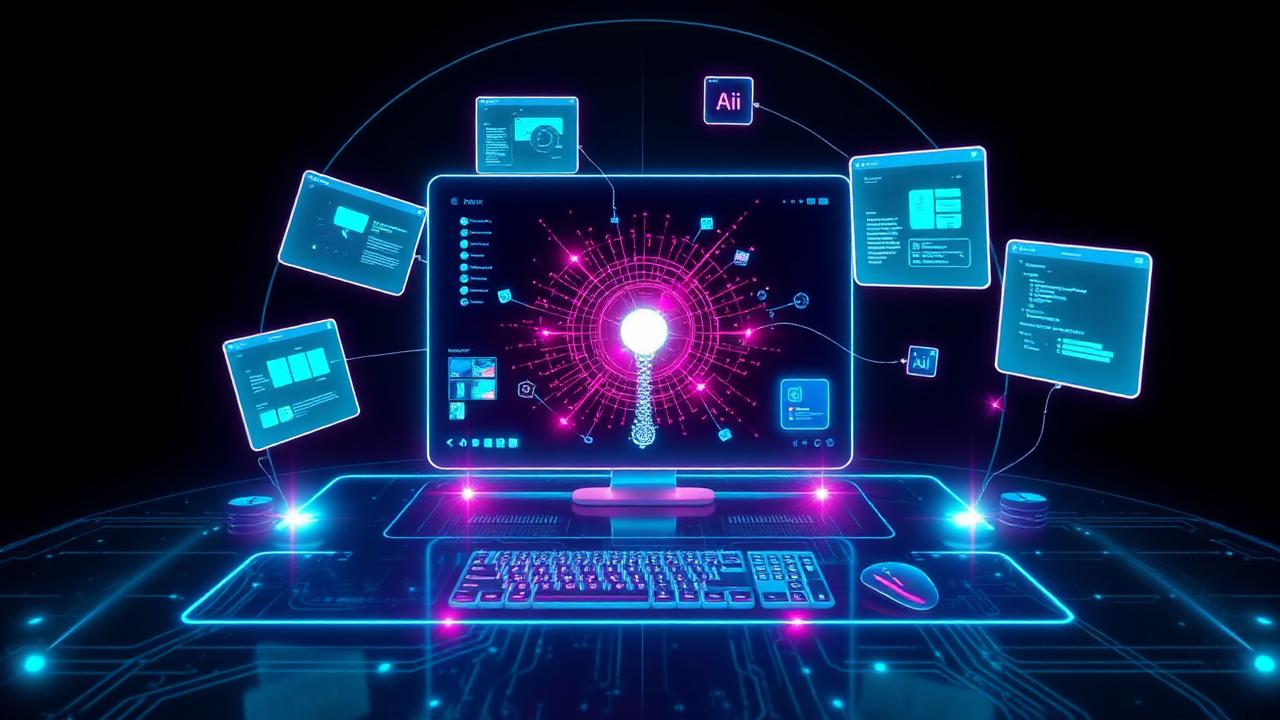
Computer-use agents — AI that drives an entire OS, not just a browser — are the 2026 frontier. They install software, run scripts, manipulate files, and complete multi-app workflows.
How It Works
Models like Claude 4.5 Computer Use and GPT-5-Vision take screenshots, decide actions, and emit mouse + keyboard commands. The OS is the API.
Production Use Cases
- Desktop ETL across legacy apps.
- QA across native software.
- Bulk file processing in domain tools (CAD, GIS, scientific).
- IT support automation.
Reliability Reality
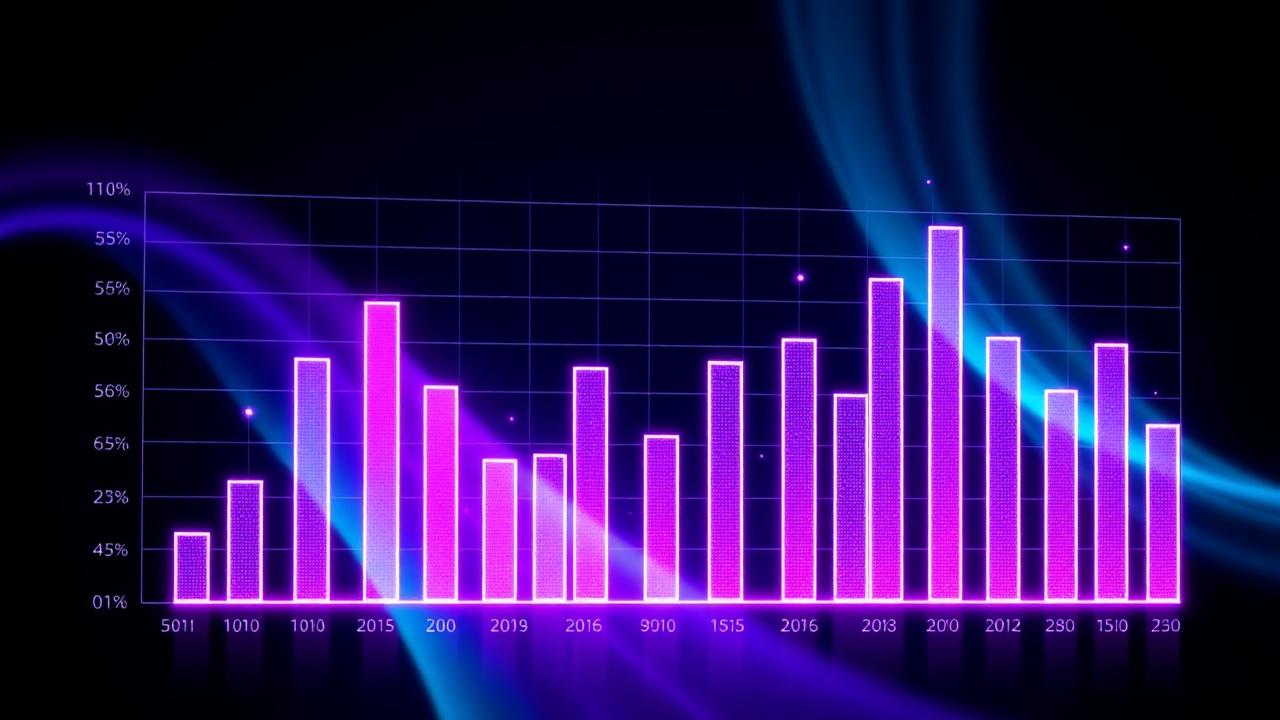
Roughly 70–85% task success on well-scoped workflows in 2026 — good enough for back-office automation, not yet enough for unattended critical paths.
Sandbox or Bust
Always run in a disposable VM. Never grant computer-use agents access to your real machine.
Key Takeaways
- How It Works
- Production Use Cases
- Reliability Reality
- Sandbox or Bust

FAQ
Is this safe?
Only inside sandboxes with scoped credentials and full action logs.
Best provider in 2026?
Anthropic for reasoning, OpenAI for tool integration.
When to use this vs. browser agents?
Browser for web apps; computer-use for desktop apps and OS-level work.
Join the Conversation
Have thoughts on this? Explore more in our AI Agents & Automation category.
Ad space — replace with your AdSense unit
Related articles

The AI Agents Revolution: How Autonomous Agents Are Replacing SaaS in 2026
Agentic workflows are eating SaaS. Here's how autonomous AI agents work in 2026, the top frameworks, and what it means for your stack.

Multi-Agent Systems in 2026: When One AI Agent Isn't Enough
When multi-agent systems beat single agents, the patterns that work, and the frameworks (LangGraph, CrewAI, AutoGen, Mastra) leading 2026.
Agentic Workflows in 2026: Replacing Zapier with AI Agents
AI agents are quietly replacing rule-based automation. The 2026 guide to n8n, Gumloop, Lindy, and migrating workflows from Zapier.