GitHub Copilot Workspace in 2026: Is the Agentic IDE Ready?
We spent a month with GitHub Copilot Workspace in 2026 on a real codebase. The honest verdict on plans, diffs, and PRs.
Introduction
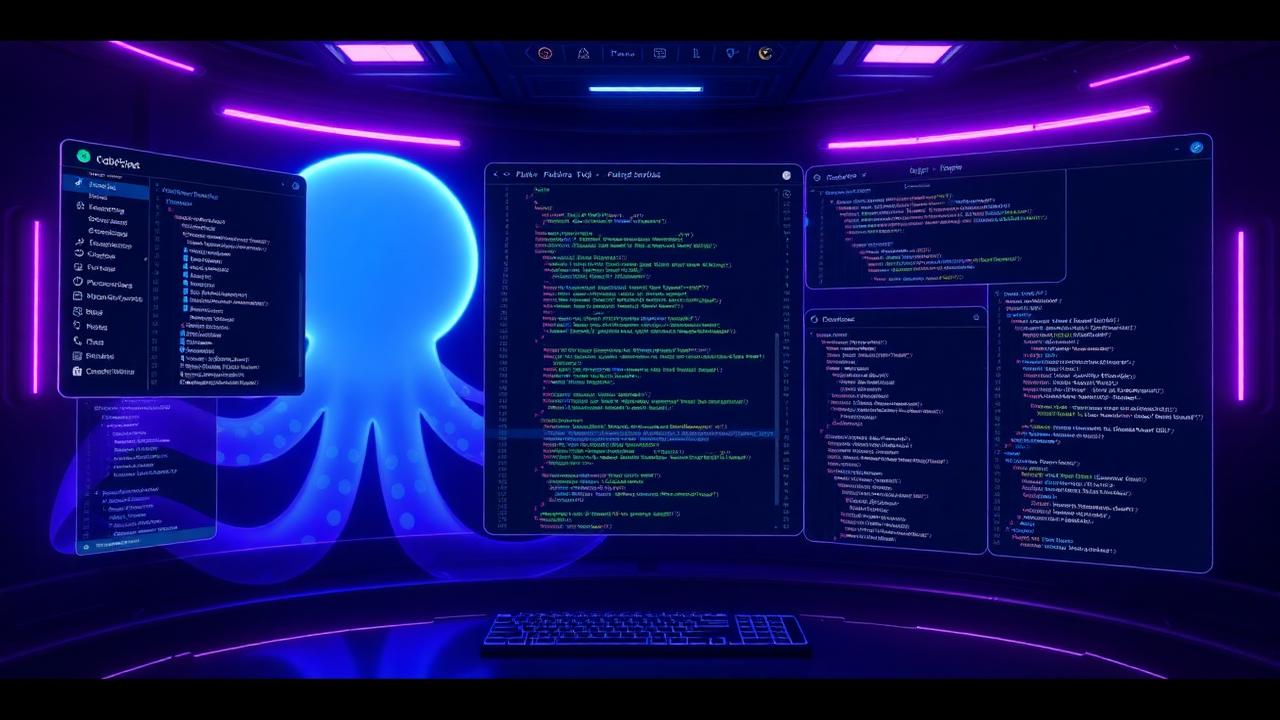
GitHub Copilot Workspace matured into a real agentic environment in 2026. It plans, edits across files, runs tests, and opens PRs. We spent a month with it on a real codebase. Here's the verdict.

What It Is Now
Copilot Workspace turns an issue into a plan, the plan into a diff, and the diff into a PR — all inside GitHub. The 2026 release added persistent context, repo-wide indexing, and parallel task execution.
Where It Wins
- Tightly integrated with GitHub Issues, Actions, and PRs.
- Excellent at small-to-medium scoped issues.
- Enterprise-grade access controls and audit logs.
Where It Loses
- Slower than Cursor or Claude Code for free-form exploration.
- Plan-first workflow can feel rigid for experimental work.
- Pricier per active user.

Who Should Use It
Teams already deep in the GitHub ecosystem who value governance over raw velocity. Solo devs and startups will likely prefer Cursor or Claude Code.
Key Takeaways
- What It Is Now
- Where It Wins
- Where It Loses
- Who Should Use It

FAQ
Is it as good as Cursor?
Different shape. Better for issue-driven, governance-heavy teams; worse for fluid exploration.
Does it support private models?
Yes — enterprise tiers can route to private model deployments in 2026.
Worth migrating from VS Code + Copilot?
Only if your workflow is issue-centric. Otherwise stay where you are.
Join the Conversation
Have thoughts on this? Explore more in our AI Coding Tools category.
Ad space — replace with your AdSense unit
Related articles

Best AI Coding Tools in 2026: Cursor, Copilot, Claude Code & Beyond
We tested every major AI coding assistant in 2026. Here's the definitive ranking of Cursor, GitHub Copilot, Claude Code, Cody, and Windsurf.
Cursor vs Windsurf in 2026: Which AI IDE Should You Actually Use?
A real-world 2026 head-to-head between Cursor and Windsurf — the two AI IDEs leading agentic coding. Speed, cost, and which fits your team.
How to Build a Production AI Coding Agent in 2026
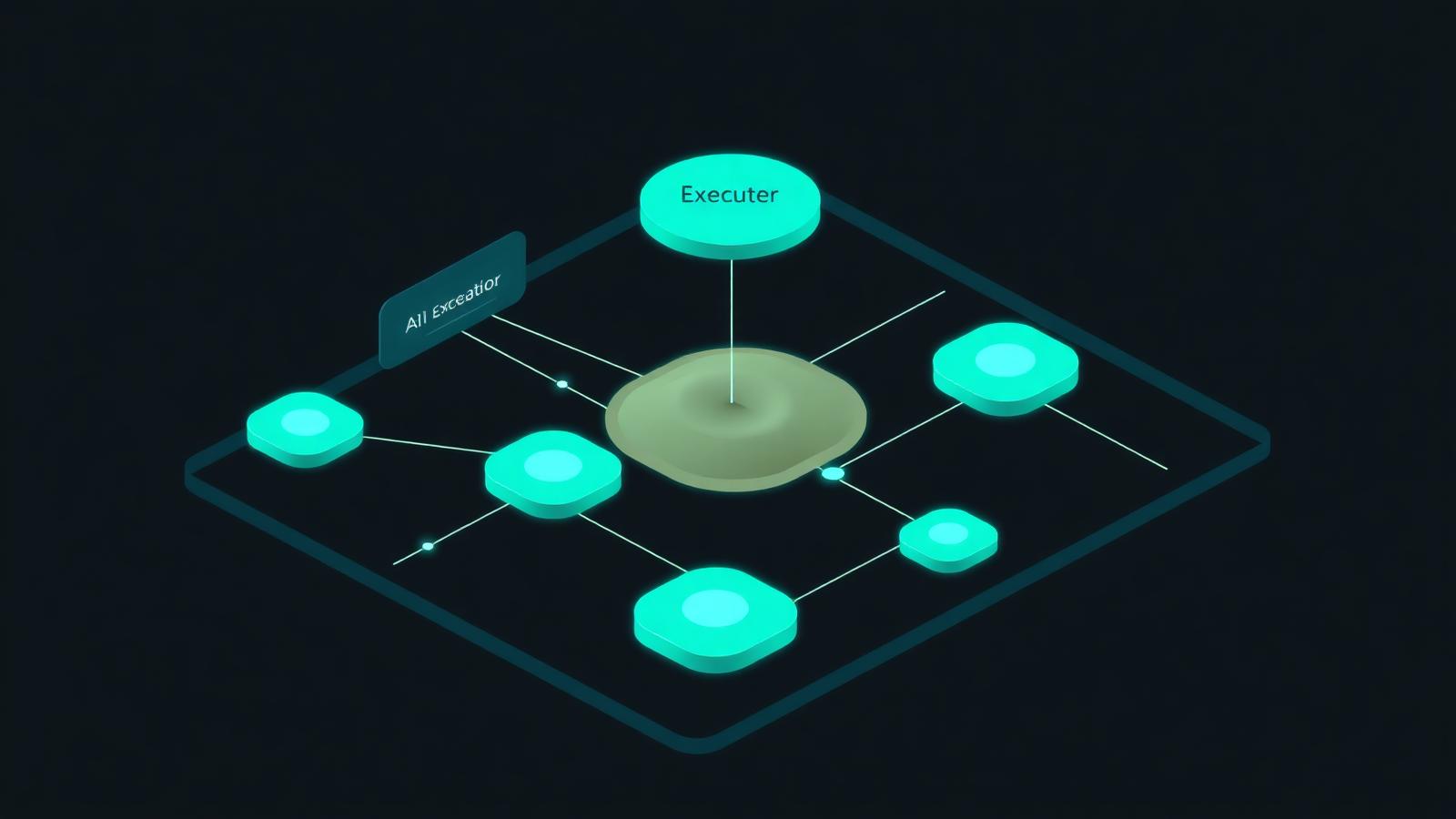
The reference architecture for a production AI coding agent in 2026 — planner, executor, sandbox, verifier — plus costs, frameworks, and lessons learned.